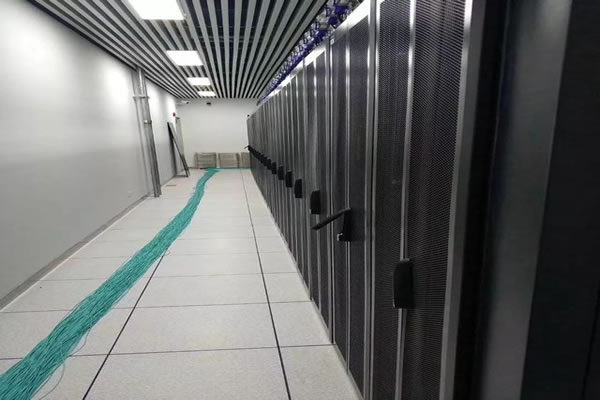
introduction: cross-border enterprises looking for server hosting compliance and data sovereignty considerations in the united states involve both technical decisions and legal and governance risks. this article provides actionable considerations and suggestions from the perspectives of compliance, data sovereignty, hosting choices, and operational practices to facilitate balancing compliance and business needs when deploying or hosting data in the united states.
overview of the legal and compliance framework
finding server hosting in the united states requires understanding federal and state laws, regulatory requirements, and the law enforcement request process. different states have different privacy protections, data breach notification periods, and industry regulations. cross-border enterprises need to evaluate applicable regulations and develop compliance roadmaps and response mechanisms.
the concept of data sovereignty and business implications
data sovereignty means that data is subject to the laws of the country where it is located. cross-border enterprises should evaluate whether hosting in the united states will cause data to be affected by u.s. laws or law enforcement requests, thereby affecting their commitment to customer privacy and cross-border compliance responsibilities.
server location and physical control
when choosing a server location, consider latency, cost, and compliance risks. data centers located within the united states are subject to u.s. law, and certain industries or customers may require hosting solutions in specific geographies or jurisdictions.
compliance differences in hosting models
hosting can be self-hosting, computer room hosting (colocation), managed services or cloud services. each model has different requirements for data control, visibility and contract terms. cross-border enterprises should choose the appropriate model based on compliance and technical needs.
contract terms and service level agreements (sla)
contracts with suppliers should clarify data ownership, access rights, notification obligations, deletion and retention policies, and applicable jurisdiction for legal disputes. the sla needs to include availability, recovery time and security incident response standards.
data encryption and key management practice
use strong encryption algorithms for data in transit and at rest, and clarify key management responsibilities. prioritize customer-managed keys or a managed separation strategy to reduce the risk of vendors gaining unauthorized access to clear text data.
access control and audit log requirements
enforce the principle of least privilege, multi-factor authentication, and fine-grained access controls. keep detailed audit logs and retain compliance requirements for tracking and evidence collection following compliance reviews or security incidents.
responding to law enforcement requests and legal risk management
evaluate the supplier's response policies when receiving law enforcement or judicial requests. notification mechanisms (alternatives where restricted by law) and the supplier's obligation to assist against certain requests should be stipulated in the contract.
cross-border data transmission mechanisms and protection measures
cross-border transfers can be achieved through contractual guarantees, internal corporate rules or other legally permitted mechanisms. consider desensitizing sensitive data, hierarchical storage, or keeping core data local to reduce sovereign risks.
business continuity, backup and disaster recovery design
when looking for server hosting in the united states, you need to plan for off-site backup, practice recovery procedures, and clarify rto/rpo indicators. disaster recovery strategies should take into account compliance, ensuring that data backup location and access are controlled and compliant with regulatory requirements.
summary and practical suggestions
it is recommended that cross-border enterprises conduct legal and technical due diligence before looking for server hosting in the united states, choose a suitable hosting model, and clarify data control and notification obligations in the contract. implement encryption, self-management of keys, access control and auditing, and establish procedures for responding to law enforcement requests and disaster recovery drills to balance compliance and business continuity.